If you're searching for an automatic machine for food packaging plastic bags, you're likely looking for more than just equipment. You need a reliable, fast, and intelligent bag making machine that can keep up with production demands, ensure consistent quality, and protect your food products. The right system is the heartbeat of your packaging line, directly impacting efficiency, cost, and brand reputation. In today's competitive market, an automatic bag making machine isn't a luxury; it's the cornerstone of scalable, profitable operations for any food producer, from artisanal bakeries to multinational frozen food brands.
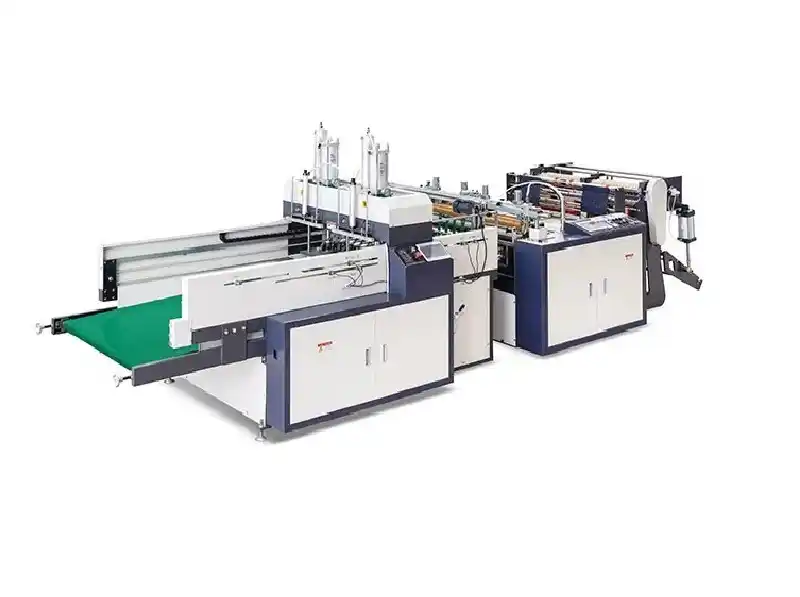
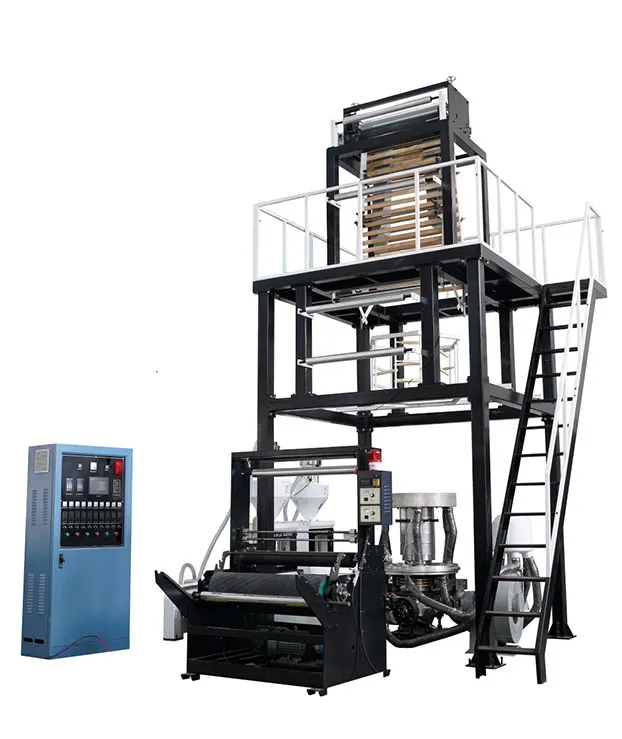
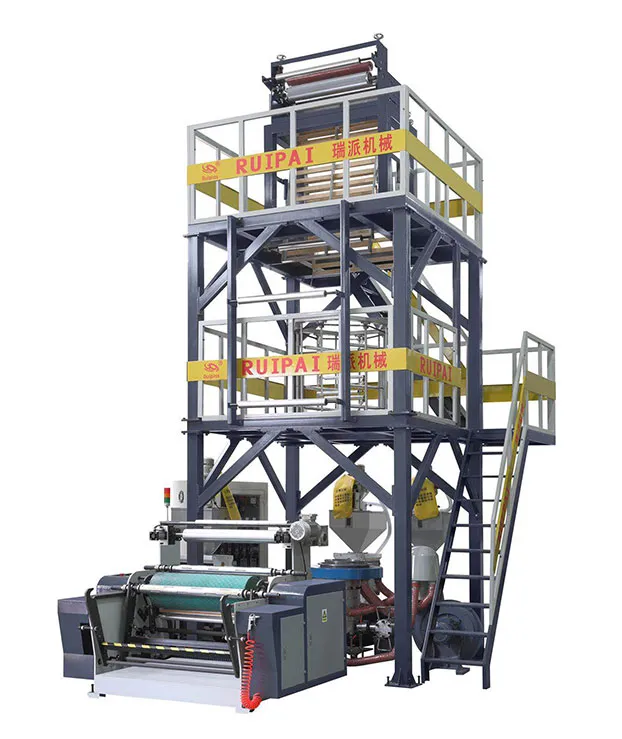
At its heart, a modern bag making machine is a marvel of precision engineering. Forget the image of loud, clunky mechanical beasts from decades past. Today’s systems are integrated manufacturing cells. The process typically starts with a roll of flexible packaging film—whether it’s polypropylene, polyethylene, or a sophisticated multi-layer laminate. This film is precisely unwound and fed through a series of stations.
First, any flexographic printing or branding is applied with pinpoint accuracy. Then, the film is folded. Here’s where the magic of forming a plastic bag truly happens: through a combination of heat, pressure, and timing, the film’s edges are sealed to create the familiar pouch shape. The bottom seal or side seal is created, and for stand-up pouches, gusseting features are added to allow the bag to stand upright on shelves—a critical point-of-sale advantage. Finally, a cutting mechanism, often a ultrasonic or hot knife, cleanly separates the individual bag. The entire sequence is managed by a Programmable Logic Controller (PLC), making micro-adjustments thousands of times per minute to ensure every single bag is identical. I’ve stood on factory floors watching these machines hum, and the consistency is almost mesmerizing. It’s a ballet of mechanics and software, where a misalignment of even a millimeter can mean thousands of wasted bags.
The most obvious advantage is speed. A manual or semi-automatic setup might produce a few hundred bags per hour. A fully automatic food packaging machine from a brand like RuiPai can produce several thousand. But speed is just the headline. The deeper benefits are what truly transform a business.
Consistency is King: Every bag has the same dimensions, seal strength, and print registration. This eliminates leaks, reduces product waste, and presents a uniform, professional brand image on retail shelves. Inconsistent bags jam filling machines, creating costly downtime.
Material Savings: Advanced machines are incredibly stingy with film. Precise tension control and seal parameters minimize "trim waste," the excess film cut away. Over a year, this can save tonnes of material, directly boosting your bottom line and sustainability metrics.
Labor Reallocation: Automation doesn't necessarily mean job losses; it means smarter jobs. Instead of an operator manually feeding film and monitoring seals, they can now oversee multiple machines, manage quality control data, and perform preventative maintenance. It shifts your workforce from repetitive tasks to value-added oversight.
Unmatched Flexibility: Need to switch from producing a flat pouch for chips to a zipper stand up pouch for premium coffee? Modern machines allow for quick changeovers. With pre-set recipes stored in the PLC, switching bag sizes, materials, or features can take minutes, not hours, enabling smaller, more responsive production runs.
Choosing the wrong packaging machinery is a costly mistake. It’s not just about picking the fastest or cheapest model. You must think like an architect for your production future.
Your Product Dictates the Bag: Are you packaging sharp frozen vegetables? You need puncture-resistant film and robust seals. Powdered spices? A form-fill-seal approach might be better. Oily snacks? Your seal integrity requirements are extreme. The machine must be compatible with the films that protect your product.
Output Requirements: Be brutally honest about your current and 3-year volume. A machine operating at 120% capacity daily will wear out fast. It’s often wiser to invest in a model that meets your projected future needs.
Floor Space & Integration: Do you have a dedicated, stable, climate-controlled space? How will the new bag maker integrate with your existing conveyor systems and filling machines? Compatibility is key to a smooth line.
The Service & Support Lifeline: This is where brands like RuiPai separate themselves. A machine will need parts, maintenance, and occasional repairs. What is the supplier’s response time? Do they have local technicians? Is training comprehensive? The best machine is useless if it sits idle for weeks waiting for a specialist fly in. I’ve seen too many businesses overlook this, focusing only on the upfront capital cost.
This is the most exciting shift in the industry. The era of one-size-fits-all industrial bag making equipment is over. Leading manufacturers now thrive on customization. Let’s paint a scenario: Imagine you’re a growing organic pet food company. You need durable, re-sealable bags with a matte finish and a vibrant, high-fidelity print area for appealing pet photography. You also run small batches of different recipes.
A partner like RuiPai wouldn’t just sell you a standard machine. They’d engineer a solution: a modular automatic bag making machine with a high-resolution digital printing option, an integrated zipper applicator, and a quick-release mechanism for the sealing jaws to handle different laminate thicknesses. Their software would allow you to store dozens of "bag recipes," so your operator simply selects "Premium Dog Food - 5kg" from a touchscreen, and the machine auto-configures. This level of bespoke engineering turns your packaging line from a cost center into a strategic brand asset.
The food packaging sector is under pressure: sustainability mandates, volatile material costs, and a severe skilled labor shortage. A smart investment in automation is the primary antidote.
Sustainability: Newer machines are designed to handle recyclable mono-material films (like PP) or thinner gauges of film without compromising seal integrity. This directly reduces plastic usage. RuiPai’s R&D in efficient heating elements and servo-drive technology also cuts energy consumption by up to 30% compared to older models—a fact verified by third-party energy audits.
Combating Labor Shortages: Automation provides the consistency that inexperienced operators might struggle to achieve manually. The intuitive Human-Machine Interface (HMI) guides users through setup and troubleshooting, capturing tribal knowledge into the system itself.
Data-Driven Decisions: The latest machines are data hubs. They track production rates, downtime causes, material usage, and energy consumption. This isn’t just for diagnostics; it’s for strategic planning. You can pinpoint exactly which product line is most profitable or which film supplier delivers the fewest production hiccups.
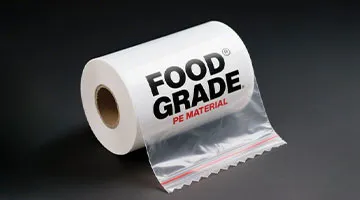
Having followed the evolution of several brands, RuiPai’s approach stands out. They don’t just build machines; they build production continuity. Their philosophy seems to be, "The machine must serve the business, not the other way around."
What does this look like in practice? It’s their 24/7 remote diagnostics support, where their engineers can often identify a developing issue via data logs before it causes downtime. It’s their use of globally-sourced, premium components (like German servo motors and Japanese sensors) paired with robust, in-house frame manufacturing, ensuring longevity. It’s their willingness to run your specific film stock in their factory for testing before the machine is even built. For a mid-sized snack company I advised, this pre-testing alone saved them months of material compatibility headaches. They’ve mastered the balance between technological sophistication and practical, shop-floor reliability.
Investing in an automatic food packaging bag making machine is a significant decision, but it’s one that propels your business forward. It’s about gaining control, achieving consistency, and unlocking growth potential you might currently be missing.
If your current packaging process is holding you back—with slow speeds, high waste, or an inability to create the bag styles your market demands—it’s time to explore a modern solution.
Ready to see what a tailored automation solution can do for your bottom line and brand? Contact the RuiPai engineering team today for a confidential consultation. Share your specific challenges and product goals, and let them demonstrate how a customized automatic bag making machine can be the engine of your future growth.
Visit the RuiPai Bag Making Machine Solutions Page to start the conversation.
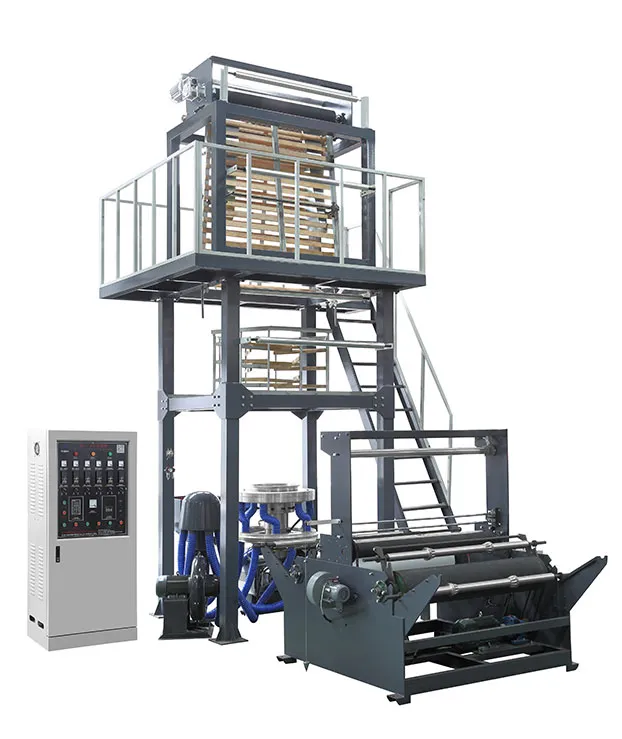
Environmentally friendly materials
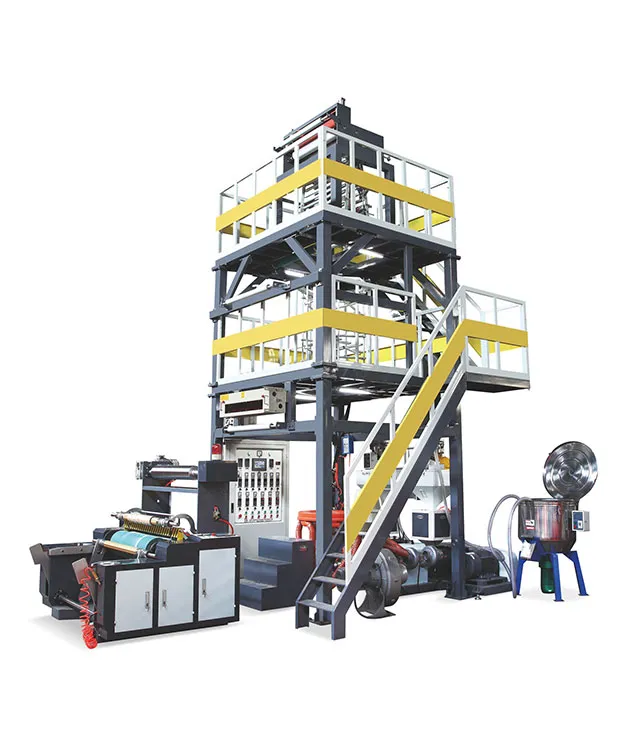
Integrated production lines
Maximising your return on investment
GET A QUOTE


 English
 Español