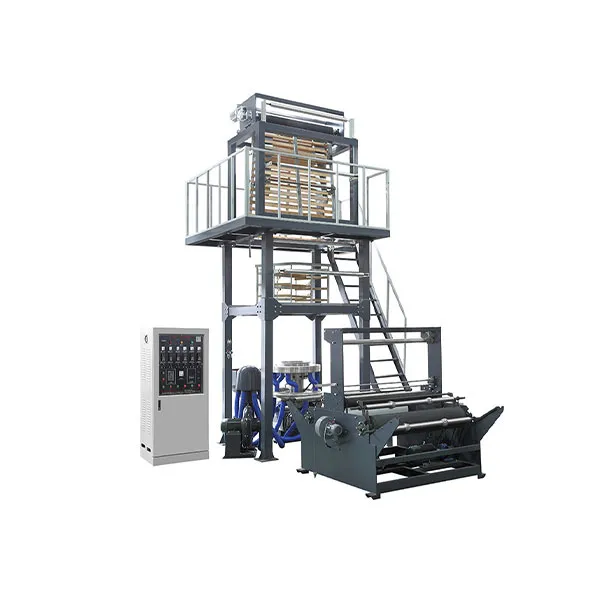
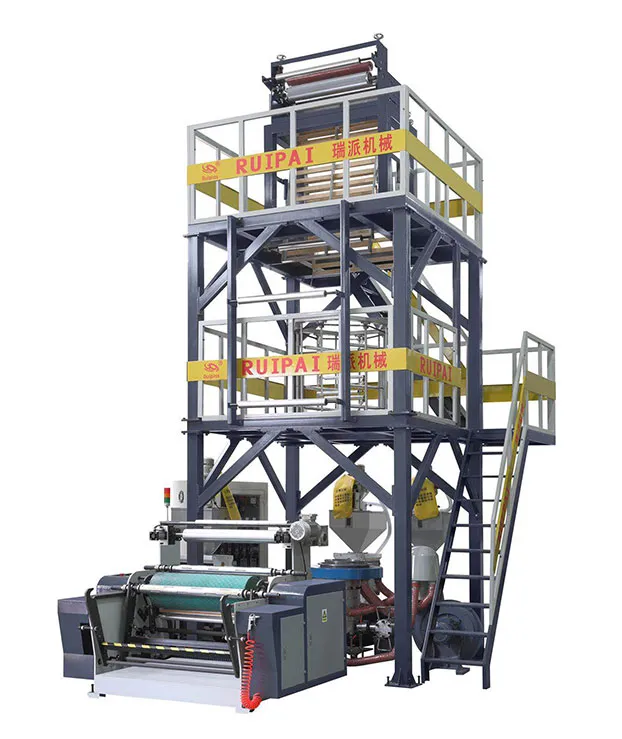
When choosing a film blown machine, a core principle is that it must meet your production capacity needs and be compatible with the film materials you need to process. Based on my experience, I recommend that customers prioritize models equipped with servo motors and intelligent temperature control systems. Most importantly, you should test the film forming accuracy using actual film samples you intend to produce. Using this method, you can essentially reduce the production scrap rate to below 15% – this is not mere speculation, but rather lessons learned from our collaboration with over 300 packaging factories.
Whether you are producing PE film for food packaging or heavy-duty stretch film for industrial use, the screw plasticizing capacity and die head design of the equipment are crucial factors. Especially for small-batch customized production, even minor differences can lead to serious problems.
Many buyers only focus on how to adjust equipment parameters, but neglect that after-sales debugging is key to unlocking the machine's full potential. Two years ago, a young owner who had just started a packaging factory experienced problems with his film production, consistently producing film with crystal defects. He was very anxious and called me every day. I took our technical engineers to his factory and found that the problem was not with the machine itself, but with the incorrect raw material ratio he was using. We adjusted the formula on the spot and instructed his operators on how to adjust the plasticizing temperature according to the raw materials. In just a few days, the product pass rate increased by 33%. Ruipai sells not just equipment, but a complete production solution.
One customer produced cling film that was prone to tearing and had poor transparency, resulting in a high return rate from supermarkets. After switching to our customized three-layer co-extrusion equipment, the film tearing problem was immediately solved. Most importantly, the film thickness uniformity was significantly improved – the weight deviation of each roll of film was controlled within ±2 grams, which also reduced the customer's return rate.Different application scenarios have completely different requirements for film, so we always insist on providing customized services. For example, when producing agricultural fresh-keeping film, customers need the film to have good breathability to extend the shelf life of vegetables; at the same time, it also needs to have anti-fog properties to prevent water droplets from forming on the film surface in a refrigerated environment.
We have specifically improved the flow channel structure of the die head and equipped it with a customized temperature control module. After debugging, the film's haze value remained stably below 10%, receiving widespread praise from farmers. For films used in packaging chemical raw materials, durability is crucial—they need to withstand the bumps and vibrations of transportation. Ruipai optimized the screw compression ratio and upgraded the cooling system to ensure the film maintains its shape stably in environments ranging from -10°C to 40°C.
Choosing the right film blowing machine is only the first step. Subsequent process adjustments and operator training are even more important. Ruipai recommends that when purchasing a machine, it's best to bring your own raw materials for testing, rather than simply trusting the manufacturer's exaggerated specifications.
Finding a partner who can tailor solutions to your specific application scenario is more important than anything else—after all, a truly reliable partner can help you save costs and improve quality. Contact Ruipai immediately if you need a customized film blowing machine.
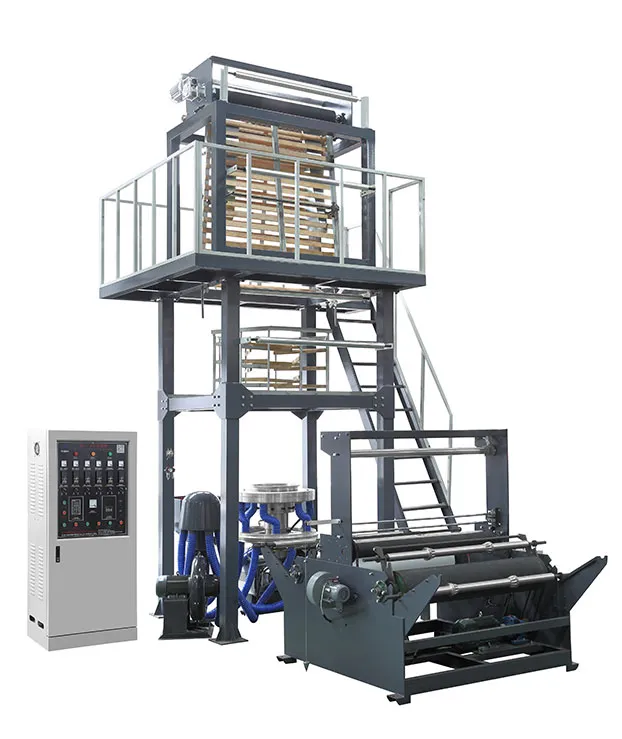
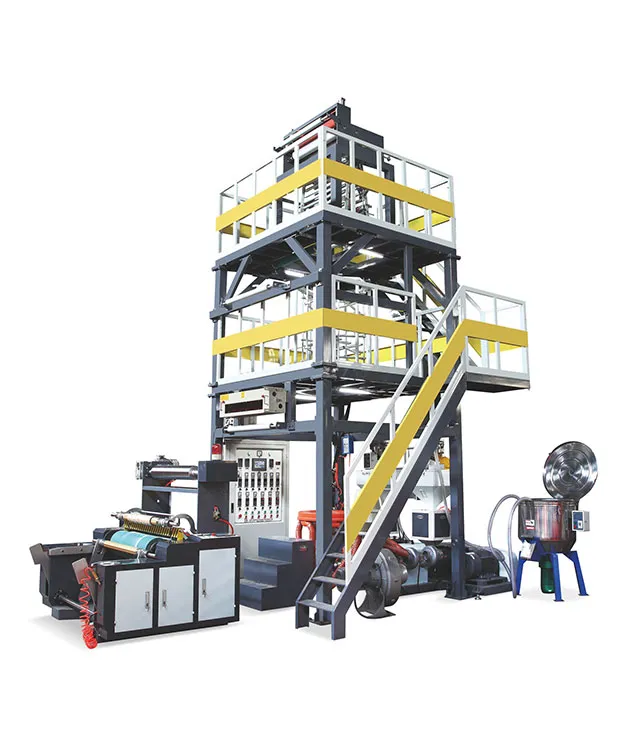
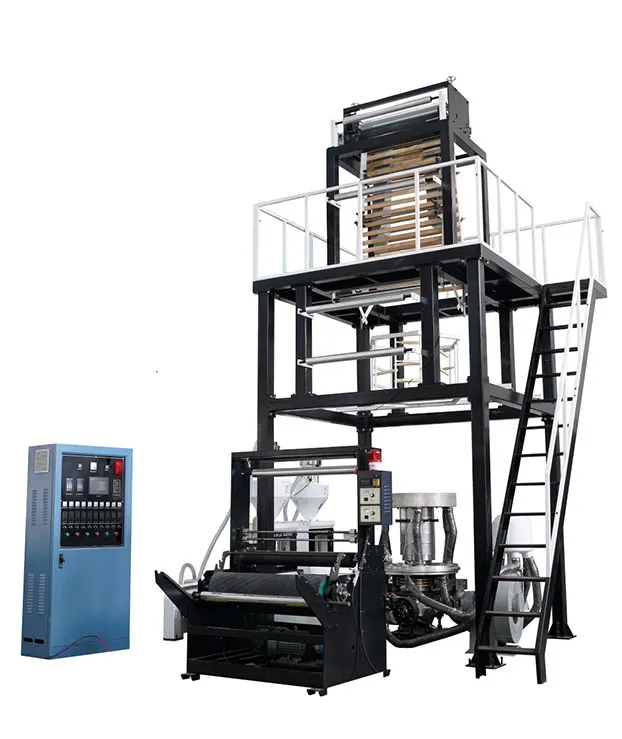
Environmentally friendly materials
Integrated production lines
Maximising your return on investment
GET A QUOTE


 English
 Español