For packaging manufacturers, frequent paper jams in bag making machines are undoubtedly the biggest production bottleneck. This problem boils down to three core factors: mismatched or defective materials, worn mechanical parts, and improper parameter settings, compounded by environmental interference and improper operation. According to the industry standard "Automatic Bag Making Machines," 78% of paper jam failures stem from these avoidable issues—not irreparable equipment malfunctions. If you, as a buyer, are struggling with this, a systematic inspection to identify the root cause is more efficient than blind repairs. Choosing a machine with customizable adaptability, such as those from Ruipai, can fundamentally reduce the risk of paper jams.
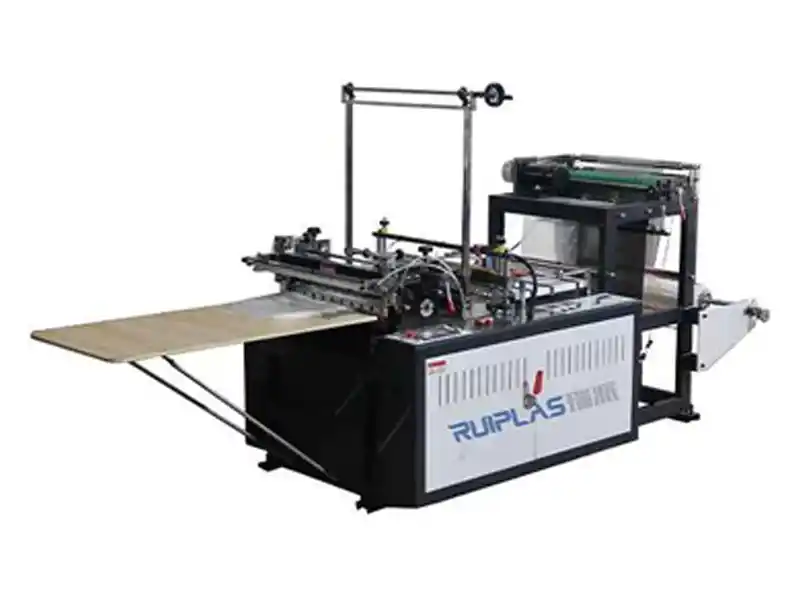
The main culprit is often overlooked material quality. Many bag making machines manufacturers cut corners on raw materials, using films with uneven thickness, curled edges, or excessive moisture—defects that disrupt the machine's smooth feeding process. I once consulted for a food packaging factory whose PE film stored in a high-humidity warehouse absorbed moisture, causing the film layers to stick together. For every 10 rolls of film, they experienced 3 to 5 paper jam failures during production. Furthermore, residual solvents in printed films or uneven composite layers can lead to unexpected deformation during heating and sealing, resulting in paper jams at the heat-sealing station. Ruipai's technical team consistently reminds buyers that choosing materials that match the machine's design specifications is the first line of defense against paper jams.
Mechanical wear and mismatched parameters are hidden dangers affecting stable operation. After 8000 hours of continuous use, core components such as feed rollers, guide rails, and tension sensors inevitably wear out. Worn rubber feed rollers lose their grip, causing material slippage and accumulation; a loose tension control system cannot adjust film speed in real-time, leading to sudden stretching or stopping of the film. More importantly, setting parameters that don't match the material type is a common mistake. A customer producing BOPP shopping bags once set the tension on a non-Ruipai machine to the standard for PE film, resulting in constant paper jams at the folding station. In contrast, Ruipai's customized parameter preset service allows engineers to pre-set optimal tension, speed, and temperature parameters based on the specific materials used by the buyer, eliminating human error in parameter adjustments.

Environmental factors and improper operation can increase the likelihood of material jams. Dust accumulation on photoelectric sensors or suction nozzles (components crucial for material positioning) can interfere with signal transmission, causing the machine to misjudge material location and leading to material jams. High environmental humidity can soften paper materials or make plastic films sticky, a common problem for factories in South China during the rainy season. Improper operation by operators, such as stacking materials too high or failing to regularly clean the inside of the machine, can also create a risk of material jams. To address these issues, RuiPai provides on-site training for factory operators, covering daily cleaning procedures, material storage standards, and quick troubleshooting for minor jams. Even for important overseas clients, their after-sales team can provide on-site maintenance within 48 hours to ensure that jamming problems are resolved and prolonged production downtime is avoided.
Essentially, frequent material jams in bag making machines are a "chain reaction" caused by a mismatch of various factors. For buyers, instead of wasting time on continuous repairs, it's better to choose equipment that suits their production scenario. RuiPai has many years of customization experience, from material adaptability testing to parameter customization and operator training, dedicated to fundamentally solving the problem of material jams. Remember: a machine that truly meets your actual needs is always more reliable than a general-purpose machine, and proactively preventing problems is always more economical than solving them afterward.
If you are interested in our products, please click on RuiPai's contact page!
Environmentally friendly materials
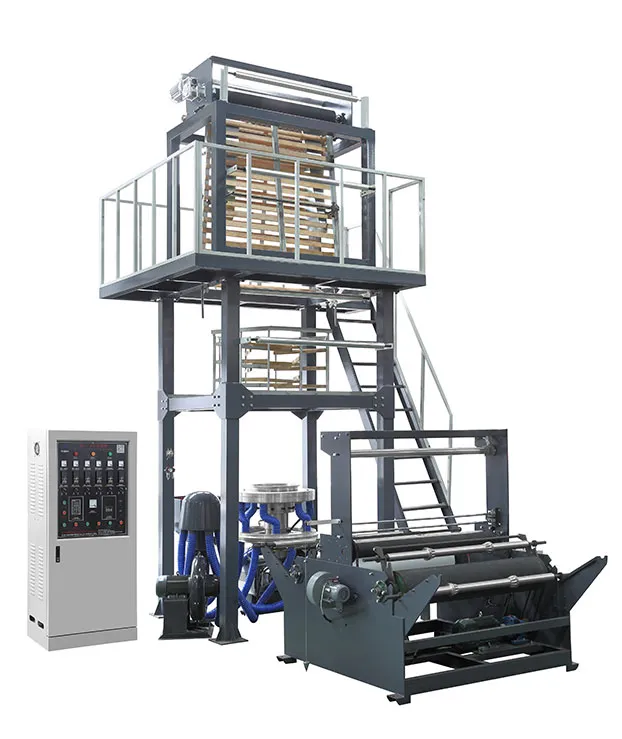
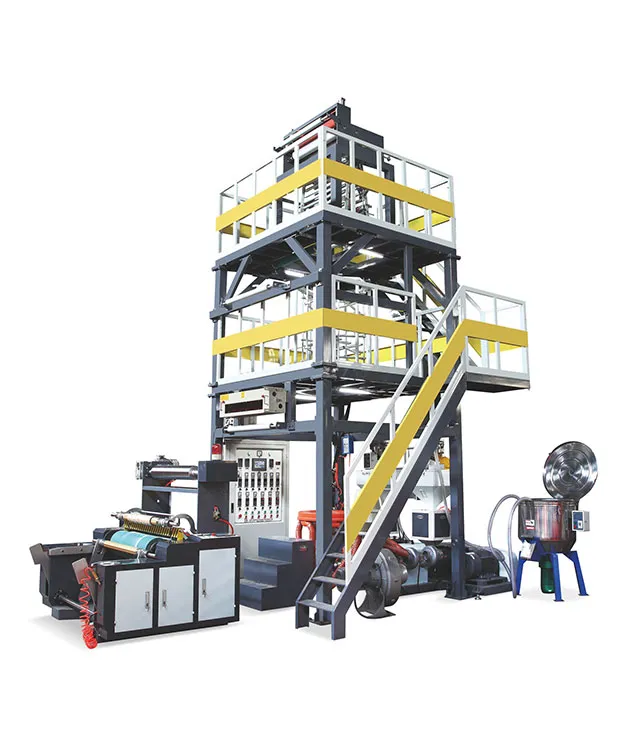
Integrated production lines
Maximising your return on investment
GET A QUOTE


 English
 Español