If you‘re in packaging or agriculture, you’ve probably noticed the shift toward compostable and bio-based materials. But knowing you want to produce biodegradable film and actually doing it are two different things.
A biodegradable blown film machine sits right in the middle of that transition. It‘s the piece of equipment that takes sustainable resins—PLA, PBAT, PHA, and their blends—and turns them into usable film. Without this machinery, those pellets stay pellets. With it, they become shopping bags, agricultural mulch, food packaging, and a whole range of other products.
The machine’s role is more specific than you might think. It's not just a blown film line with a different label. Biodegradable resins behave differently than conventional plastics. They have higher viscosity, narrower processing windows, and different crystallization behavior. A machine designed for standard polyethylene won't handle PLA/PBAT blends well—you'll get blockages, uneven film, and wasted material.
So what does this equipment actually contribute to the production chain? It enables manufacturers to participate in the growing market for sustainable packaging. It allows converters to offer biodegradable alternatives to their customers. And it gives agriculture and food industries access to films that can break down at the end of their useful life.
In the sections ahead, we'll look at the machine's function in more detail—what it processes, how it fits into different industries, and what you need to know if you're considering one for your operation.
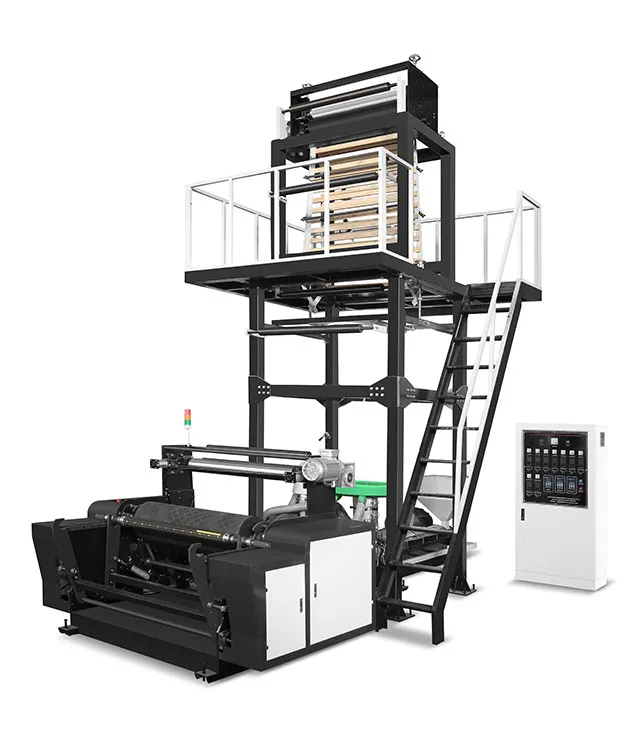
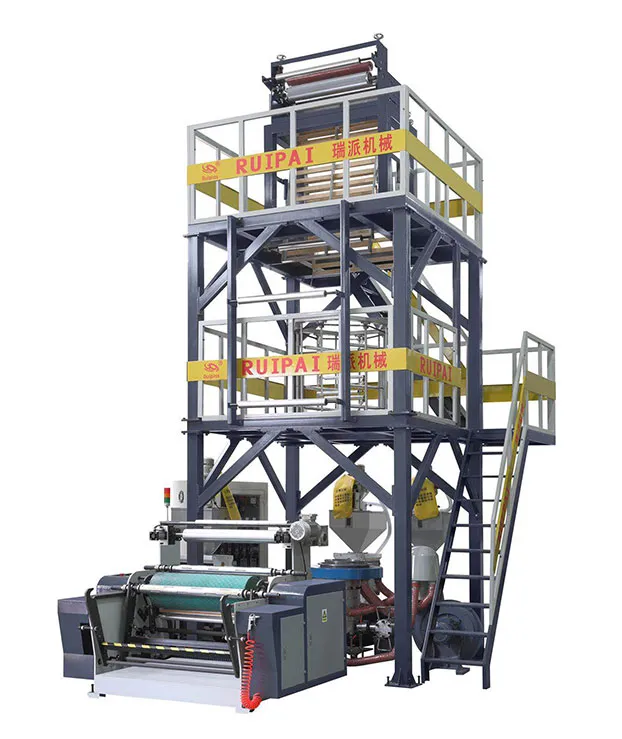
At its core, the equipment takes biodegradable resin pellets and transforms them into a continuous film.
The process starts with material fed into a heated barrel, where it melts. The molten polymer is pushed through a circular die to form a bubble, which is inflated and cooled by air. The bubble is then collapsed into a flat tube and wound into rolls. That's the simple version.
The complexity comes from the material itself. PLA and PBAT have different rheological properties than polyethylene. They're more viscous when melted, more sensitive to temperature, and less forgiving if conditions drift. The machine's screw design, temperature control, and airflow systems are all tuned to handle these quirks.
The equipment supports a range of biodegradable plastics—PLA, PBAT, PHA, starch-based composites, and PLA/PBAT blends. It can also handle modified biodegradable materials with additives like UV stabilizers and anti-block agents. This material flexibility is a big part of its role: you're not locked into one resin supplier or one formulation.
The film produced by this equipment finds its way into several key industries.
Compostable shopping bags and fresh-keeping films are the most visible applications. Food brands are under pressure to reduce plastic waste, and biodegradable film gives them an alternative. The film needs to meet food contact requirements while still breaking down in composting conditions.
Biodegradable mulch films are a growing segment. Farmers use them to suppress weeds and retain soil moisture, but conventional plastic mulch has to be removed and disposed of after the season. Biodegradable mulch can be tilled into the soil, eliminating the removal step. The film thickness for agricultural applications tends to be on the higher end of the range—up to 0.1mm.
Compostable detergent pods packaging, biodegradable gloves, and garbage bags are other common applications. These products are often single-use by nature, so making them biodegradable addresses a real waste problem. The film needs good sealing properties and adequate strength for these applications.
Disposable sterile packaging is another area where biodegradable options are emerging. The requirements here are more demanding—sterilization compatibility, barrier properties, and dimensional stability—but the direction is clear.
The machine‘s output range gives you a sense of where it fits in the production hierarchy.
Standard models have a maximum extrusion output of 120kg/h. Customizable capacity ranges from 30kg/h for entry-level operations to 120kg/h for high-volume production. The 30kg/h end is suitable for smaller converters or companies testing the biodegradable market. The 120kg/h end is for established producers with consistent demand.
The standard maximum roller width is 1300mm. Film thickness ranges from 0.01mm (ultra-thin packaging films) to 0.1mm (thick mulch films). This range covers most common applications—from lightweight food wraps to heavy-duty agricultural film.
| Production Parameter | Typical Range |
|---|---|
| Extrusion Output | 30–120kg/h (customizable) |
| Maximum Roller Width | Up to 1300mm |
| Film Thickness | 0.01–0.1mm |
Running a biodegradable film line isn't the same as running conventional equipment.
The machine requires precise temperature control across the barrel zones. PLA, for example, has a lower melting temperature than polyethylene but degrades if overheated. The temperature window is narrower, so the control system needs to be accurate and responsive. The equipment includes precise temperature control and airflow control systems that enable effective adjustment of film thickness, density, and transparency.
The machine has a long maintenance cycle thanks to high-wear-resistant components and optimized cooling systems. Routine maintenance includes daily cleaning of the die head and air ring, weekly lubrication of moving parts, and monthly inspection of screws and sensors. Major maintenance—screw or barrel replacement—is typically only needed every 4-6 years. That's a relatively light maintenance burden for continuous production equipment.
The machine uses a solvent-free production process, reducing the use of chemical solvents. It also includes an exhaust gas treatment system that complies with domestic and international environmental regulations. This matters because the sustainability claim doesn't stop at the film itself—the production process also needs to be clean.
Does the production of biodegradable film encounter issues with material viscosity?
Yes, biodegradable materials typically have high viscosity. However, this equipment is specifically designed with screws and die heads adapted for high-viscosity materials, ensuring a smooth melting process and preventing blockages and uneven production. If you've run PLA on a standard line before, you know the difference.
What types of biodegradable materials can the machine process?
It supports various biodegradable plastics, including PLA, PBAT, PHA, starch-based composites, and PLA/PBAT blends. Users can select different biodegradable materials based on their specific production needs. The machine can also be customized to handle modified materials with additives.
What's the maximum film width and thickness range?
The standard maximum roller width is 1300mm. Film thickness ranges from 0.01mm to 0.1mm. This flexibility allows it to match diverse packaging sizes—from small food sachets to large agricultural mulch rolls.
Is the machine environmentally friendly and compliant with regulations?
Yes, it uses a solvent-free production process and is equipped with an exhaust gas treatment system, compliant with domestic and international environmental regulations. This helps enterprises achieve green production goals at the manufacturing level, not just in the final product.
By now you've got a sense of the machine's role and what it takes to run one. Let's talk about who builds them.
RUIPAI Machinery has been in the blown film equipment space for over 20 years. Their biodegradable film line reflects that experience—it's designed specifically for the challenges of processing high-viscosity resins like PLA and PBAT.
The company offers customization options that extend the machine's capabilities: UV stabilizer mixing systems, anti-block masterbatch feeding, and die head modifications for different material formulations. These aren't afterthoughts—they're integrated into the machine design.
The after-sales service includes installation, debugging, and training. RUIPAI sends technicians to help customers operate the equipment and offers video introductions for customers who can't visit the factory. This matters because biodegradable film production is still relatively new; operators need support to get it right.
The machine's output range—from 30kg/h for entry-level operations to 120kg/h for high-volume production—covers a broad spectrum of production scenarios. The standard maximum roller width of 1300mm and thickness control from 0.01mm to 0.1mm give you flexibility across different applications.
If you're evaluating biodegradable film equipment, the key questions are: what materials do you need to process, what film dimensions do you need, and what output volume makes sense for your operation. The answers to those questions will tell you whether a given machine fits your role in the sustainable packaging supply chain.
Ready to explore your options? Reach out to RUIPAI's team with your film specifications and production targets—they can help you determine which configuration matches your needs.
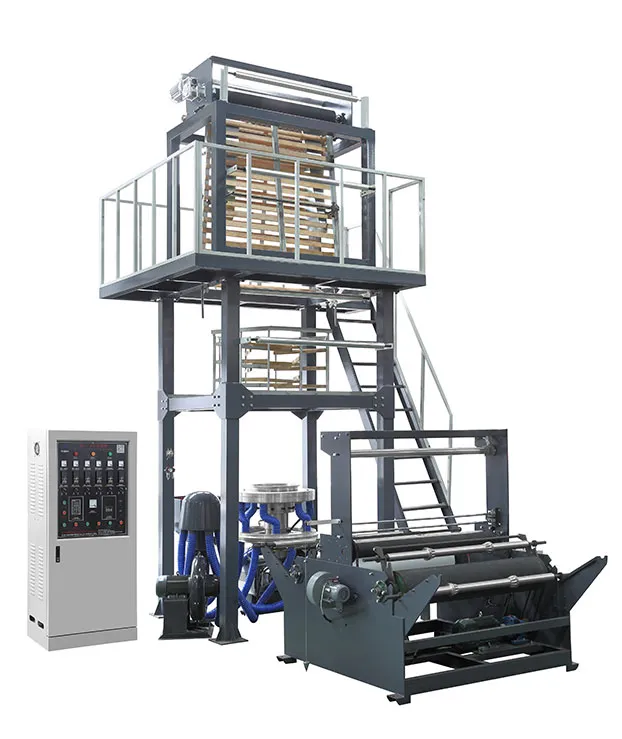
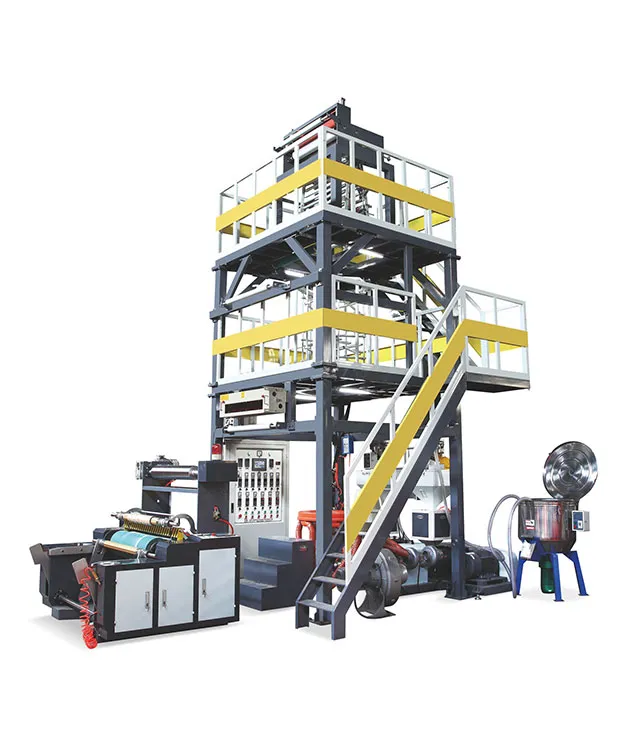
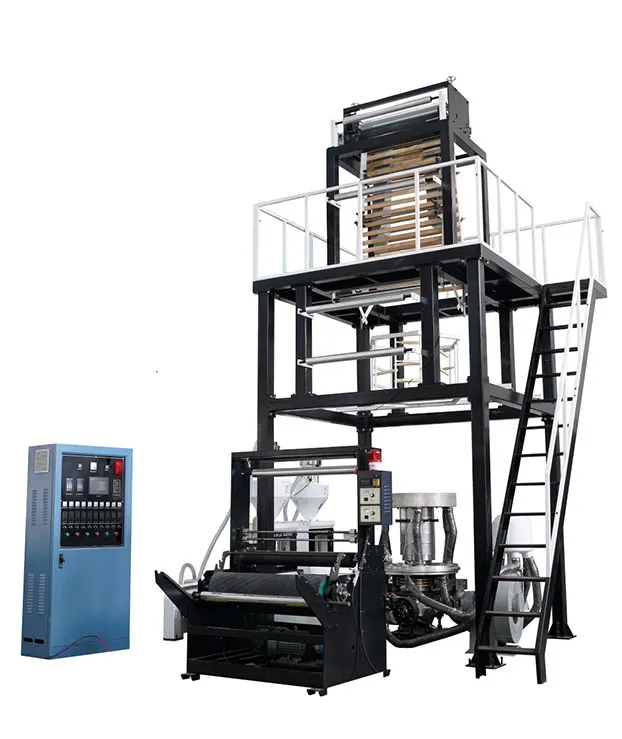
Environmentally friendly materials
Integrated production lines
Maximising your return on investment
GET A QUOTE


 English
 Español