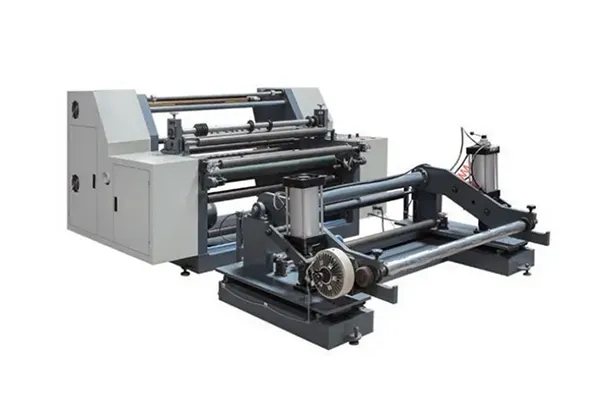
Every roll of film, paper, or non-woven material that leaves your production line has to go through a slitting machine at some point. Coffee cup sleeves, flexible packaging, labels, medical fabrics—they all start as wide rolls that need to be converted into precise widths. But if you are sourcing a slitting machine for your factory, the real question is: most machines on the market look similar on the surface. Prices range from modest to substantial. What actually makes the difference?
A slitting machine is a long-term investment. Pick the wrong one, and you deal with inconsistent cut quality, frequent downtime, and maintenance costs that eat into your margins fast. Understanding what makes a slitting machine reliable and efficient matters more than just comparing price tags.
The core function of a slitting machine is straightforward: take a wide master roll and slice it into narrower rolls at a consistent width. But the execution is anything but simple. At speeds of 200 to 300 meters per minute or more, the machine has to maintain tension, keep blades sharp, and deliver clean edges roll after roll. A few microns of deviation might not sound like much, but in industries like flexible packaging or electronics, that tiny error can mean rejected batches and unhappy customers.
·Cutting precision vs. speed — A machine rated for 300 m/min that produces inconsistent widths may deliver less usable output than a slower but more accurate unit·Tension control — Poor tension management leads to wrinkled edges, telescoped rolls, and frequent material breaks·Tooling costs — Blades wear out. How easy—and how expensive—is it to replace them?·Changeover time — Switching between different widths or materials should be measured in minutes, not hours
If you are comparing slitting machine options on the market, RUIPAI's offering is worth a closer look. The specifications are built around actual production needs, not just numbers on a sheet.
|
Specification |
Details |
|
Max Slitting Width |
1300 mm / 1600 mm (customizable) |
|
Min Slitting Width |
50 mm |
|
Slitting Speed |
200–300 m/min (material dependent) |
|
Slitting Precision |
≤ ±0.5 mm |
|
Material Thickness |
20–120 μm (film), 30–300 gsm (paper) |
|
Material Types |
Film, paper, non-woven, aluminum foil, composites |
|
Tension Control |
Automatic closed-loop with servo motors |
|
Control System |
PLC with touchscreen interface |
|
Blade Type |
Tungsten steel circular blades, quick-change design |
|
Power Supply |
380V 50Hz 3-Phase |
|
Machine Weight |
3500–5000 kg (model dependent) |
Covers the most common roll widths used in packaging and converting.Delivers precision that meets or exceeds industry standards for most applications.Mid-to-high speed range suitable for steady daily production without sacrificing quality.
A slitting machine that can't hold tolerance is a liability. When width deviation creeps in halfway through a run, every roll that comes off after that point is scrap. RUIPAI's slitting machine uses servo-driven precision control and an automatic tension management system to maintain consistent cutting width across the entire run. The result: less waste, fewer rejected rolls, and happier customers.
Tension problems are the number one cause of slitting defects. Too much tension and the material stretches or breaks. Too little and the rolls come out loose, telescoped, or wrinkled. This machine uses a closed-loop tension control system with real-time feedback—adjusting automatically as the roll diameter changes. No guesswork. No manual tweaking every few minutes.
Blade changes are one of those tasks that can eat up production time if the machine isn't designed for it. Some machines require an hour or more to swap out blades. RUIPAI's slitting machine features a modular blade holder design that reduces tool replacement time to under five minutes. Less downtime, more running time.
Not every production run uses the same material. One day it's PE film, the next it's paper, then maybe non-woven fabric. This machine handles a wide range of substrates—film, paper, aluminum foil, non-woven, and composites—without requiring major reconfiguration. That flexibility matters when your order book isn't predictable.
At higher speeds, static electricity builds up on film and paper surfaces. That attracts dust, causes feeding issues, and can even create safety hazards. Optional static elimination equipment is available to keep production clean and consistent, especially when running sensitive materials like thin films or coated papers.
A slitting machine is only as good as the support behind it. Here is what comes with every RUIPAI unit.
One full year from the shipment date.Entire machine covered.Wearing parts supplied at no charge for the first year.
Technicians available for installation and training.Training continues until operators are comfortable with the equipment.
Machine adjusted and tested before shipping.Comprehensive user manual with installation, operation, and troubleshooting instructions.
Choosing a slitting machine is not just about picking equipment. It is about setting up your production line for consistent output, manageable maintenance, and the flexibility to handle different materials and widths as your business grows. A machine that cuts accurately, runs reliably, and is backed by solid support will pay for itself many times over.
Precision cutting with servo-controlled tension for consistent width and minimal waste.200–300 m/min speed range covering most production needs.Quick-change blade system—under five minutes for tool replacement.Handles film, paper, non-woven, foil, and composites.One-year warranty with free wearing parts for the first year.On-site training available until operators are fully comfortable
Whether you are still deciding on specifications or ready to move forward, we can help. Contact our team to discuss your material types, output targets, and any custom configuration needs for your next slitting machine.
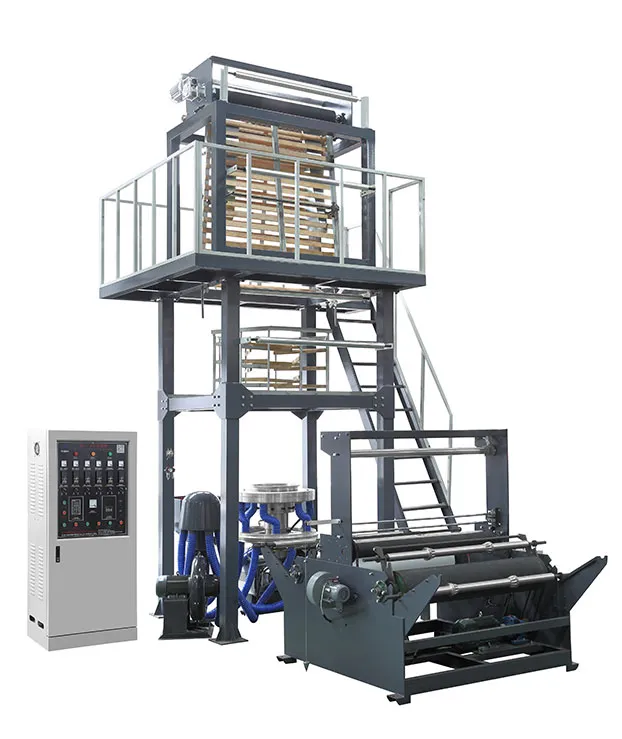
Environmentally friendly materials
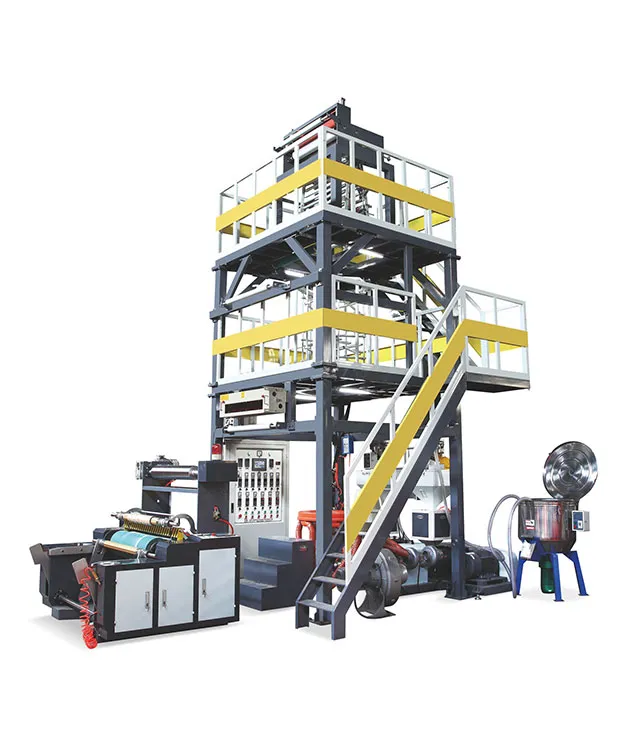
Integrated production lines
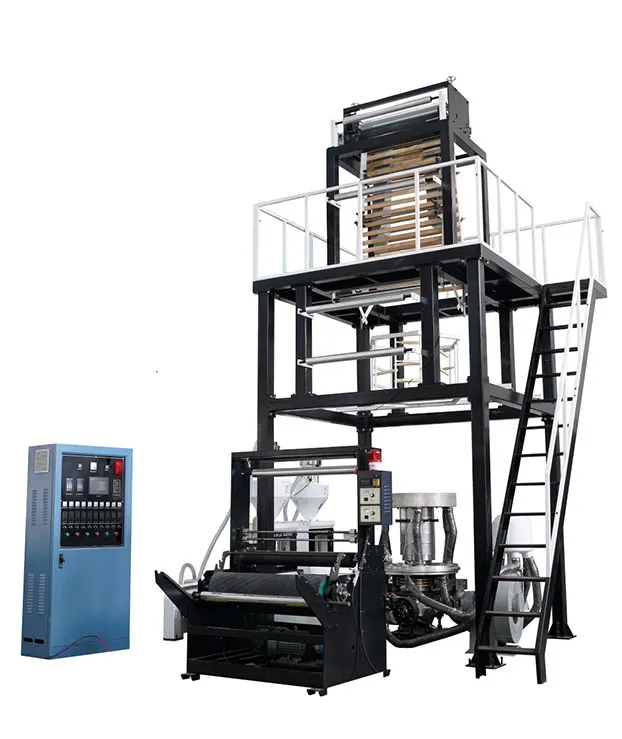
Maximising your return on investment
GET A QUOTE


 English
 Español