You're looking at a capital equipment purchase, and the spreadsheet needs to pencil out. A bag making machine is a significant investment—but the real question isn't the upfront cost. It's how long until that cost is recovered through lower labor, reduced waste, and higher output. Every packaging operation has different economics: labor rates, material costs, and production targets all affect the payback period. This article breaks down the specific cost-saving features of the RUIPAI bag making machine—reduced operators, lower defect rates, energy efficiency, and faster changeovers—and shows you how to calculate your own return on investment.
The most immediate cost saving comes from reduced labor. A semi-automatic bag making line typically requires 3-4 operators per machine. The RUIPAI machine runs with just 1-2 operators.
One operator per shift, across three shifts, at $15/hour, totals roughly $7,200 per month in labor savings. Over a year, that's nearly $86,000—a significant chunk of the machine's purchase price. Even accounting for operator training and benefits, the labor savings alone can provide a compelling payback story.
Beyond direct cost savings, reduced operator requirements free up skilled workers for other tasks—maintenance, quality control, or running additional lines. You're not hiring more people to grow production; you're using your existing workforce more effectively.
One of the most common mistakes in bag making equipment is buying either too much machine or not enough. The RUIPAI machine offers a flexible output range (30-520 bags/min) to match actual demand.
A machine that runs too fast for your requirements still costs the same to purchase and maintain—but it may run less efficiently at lower speeds and consume more energy than necessary. Matching the machine to your target output ensures you're not paying for capacity you don't use.
A machine that's too slow forces you to run extra shifts, pay overtime, or turn down orders. The RUIPAI's output range—up to 520 bags/min for vest bags—covers most production scenarios without forcing you to overspec.
Every defective bag that reaches the end of the line represents wasted material and wasted production time. The RUIPAI machine includes automatic defect detection that rejects unqualified bags in real time.
Manual inspection depends on operator vigilance—which wanes during long shifts. The RUIPAI's automated detection catches seal failures, size deviations, and material flaws consistently. Fewer defects reaching downstream operations or customers means less rework and fewer returns.
Defective bags aren't just wasted labor—they're wasted material. The automatic rejection system minimizes the amount of material that makes it through the production process only to be discarded later. Material savings add up quickly when you're running thousands of bags per shift.
Energy is a significant operating cost for bag making machines. The RUIPAI machine features an energy-efficient design with high-efficiency motors and energy recovery systems.
Compared to industry benchmarks, the RUIPAI machine reduces carbon emissions by 18%. That reduction comes from more efficient motors, better insulation on heating elements, and intelligent energy management that adjusts power consumption to match production speed.
Energy savings don't require a large upfront investment—they're built into the machine's design. Over a year of three-shift operation, an 18% energy saving can amount to thousands of dollars in reduced utility bills, depending on your local electricity rates.
Changeover time is often the largest hidden cost in bag making. Every minute the machine is idle for a mold change is a minute of lost production. The RUIPAI machine uses a modular mold design that enables quick switching between bag types.
If you're running two changeovers per shift, and each changeover takes 20 minutes on the RUIPAI versus 90 minutes on a conventional machine, you're saving over 2 hours of downtime per shift. That's production time you get back—time that generates revenue instead of consuming it.
The modular design features precise positioning pins that ensure accurate installation without professional tools. Any operator can perform a changeover—you don't need a specialist on every shift.
| Parameter | Specification |
|---|---|
| Output Range | 30-520 pcs/min |
| Vest Bags Speed | 240-520 pcs/min |
| Garment Bags Speed | 30-130 pcs/min |
| Bag Width Range | 100-1200mm |
| Supported Materials | PE, PP, PVC, PLA/PHA |
| Automation Level | Full (unwinding to stacking) |
| Defect Detection | Automatic real-time rejection |
| Mold Change Time | <20 minutes |
| Operators Required | 1-2 per machine |
| Labor Reduction | 60% vs. semi-automatic |
| Carbon Reduction | 18% vs. industry benchmark |
Several other features contribute to the machine's economic case:
The machine supports PE, PP, PVC, and biodegradable materials like PLA/PHA. This versatility means you can switch between materials based on price and availability—you're not locked into a single material source.
With RoHS, REACH, and FDA certifications, the machine produces bags that meet major market requirements. No need to invest in separate equipment for regulated markets.
Partnerships with local authorized service providers in 30+ countries ensure that any issue is resolved quickly—reducing downtime and protecting production output.
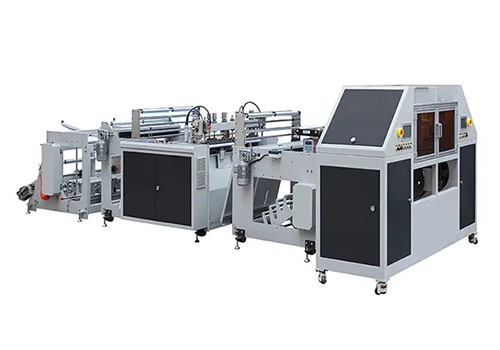
To estimate your payback period, consider these variables:
Machine cost: The purchase price including shipping and installation
Labor savings: Operators reduced × hourly wage × shifts × working days
Energy savings: Current energy cost × 18% reduction
Material savings: Defect reduction × material cost per ton
Revenue from additional output: Extra production hours × bag price
Most users report that the RUIPAI machine pays for itself within 18-24 months. Your specific payback period depends on your labor costs, energy rates, and production volume.
Q: How does the machine's cost compare to similar models?
A: The RUIPAI machine is competitively priced relative to European and Japanese machines, with comparable features and specifications. The lower price doesn't mean lower quality—it reflects different manufacturing economies.
Q: What's the expected lifespan of the machine?
A: With proper maintenance, the machine is designed for a service life of 10-15 years. The modular design makes repairs straightforward, extending the useful life.
Q: Are financing options available?
A: Yes. RUIPAI offers various financing options with down payments ranging from 30-50% and flexible payment terms to suit your cash flow.
Q: What's the warranty period?
A: The machine comes with a standard 12-month warranty covering manufacturing defects. Extended warranty options are available.
Q: How quickly can the machine be delivered?
A: Standard models are typically delivered within 30-45 days. Custom configurations may take longer.
The decision to invest in a bag making machine comes down to a single question: how long until it pays for itself? The RUIPAI machine offers multiple paths to ROI: labor reduction (60% fewer operators), energy efficiency (18% lower carbon emissions), defect reduction (automatic rejection), and faster changeovers (under 20 minutes). These aren't just features—they're direct cost savings that improve your bottom line.
Whether you're expanding capacity or replacing outdated equipment, the RUIPAI plastic roll bag making machine delivers the output, flexibility, and efficiency that generate a strong return on investment.
Contact RUIPAI for a personalized payback analysis → their team can help you calculate labor savings, energy reductions, and productivity gains based on your specific operation. Get a bag making line that pays for itself faster than you think.
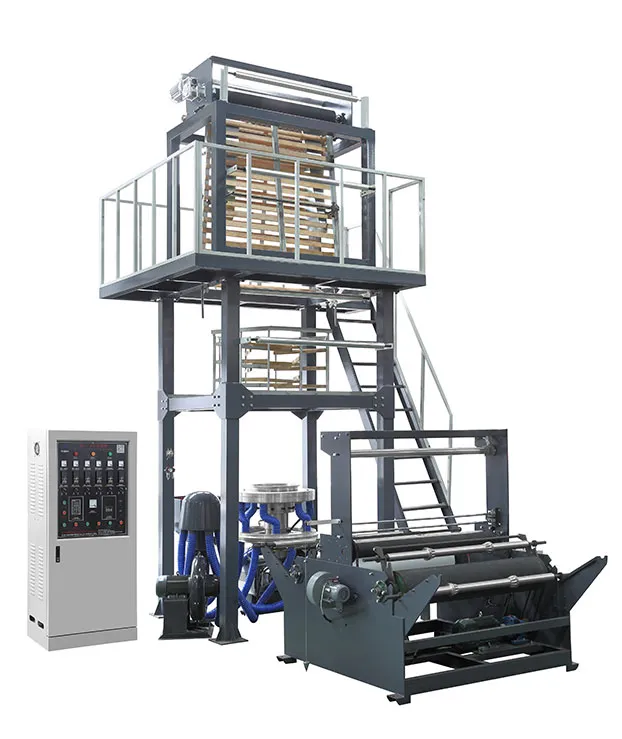
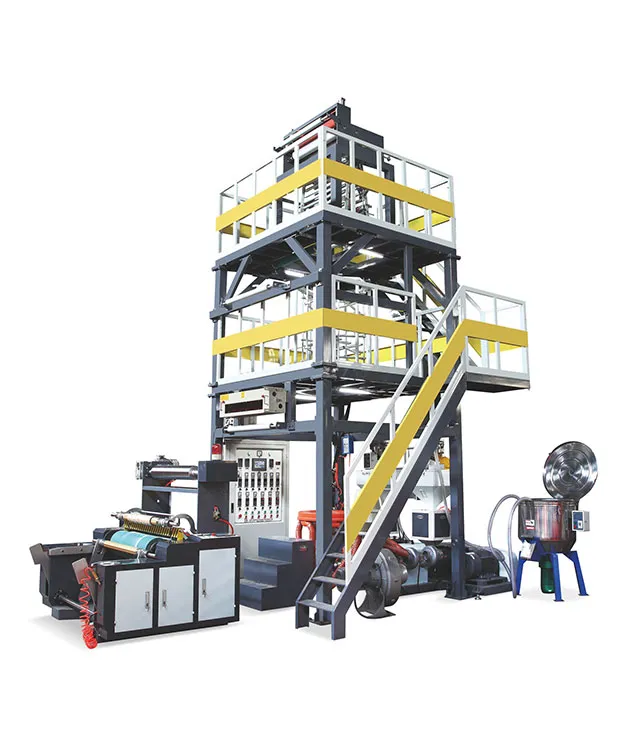
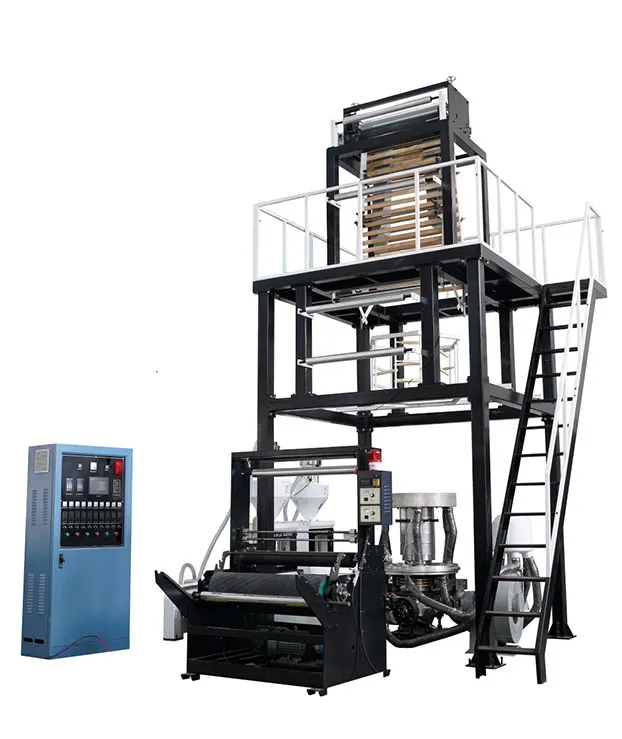
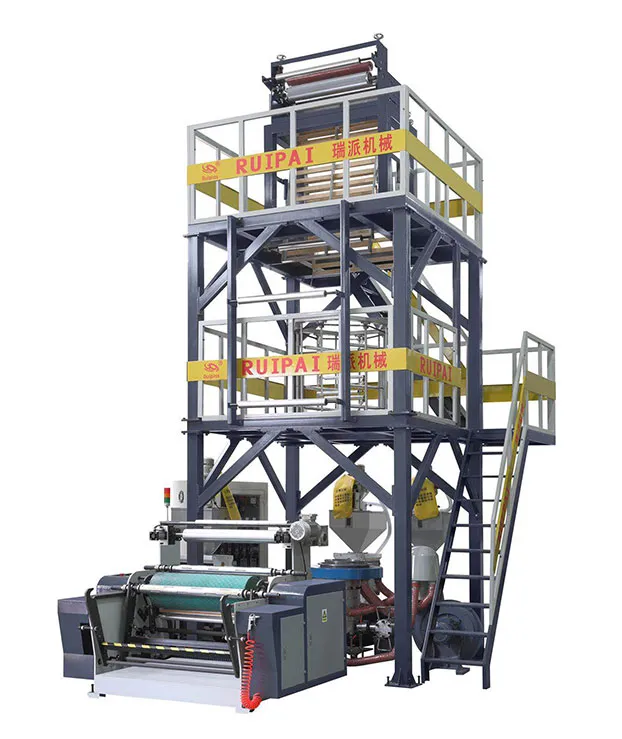
Environmentally friendly materials
Integrated production lines
Maximising your return on investment
GET A QUOTE


 English
 Español