For packaging manufacturers, the question is no longer if sustainability will impact operations, but how fast the transition needs to happen. Yet, switching from conventional polyethylene to bio-based materials often brings a steep learning curve.
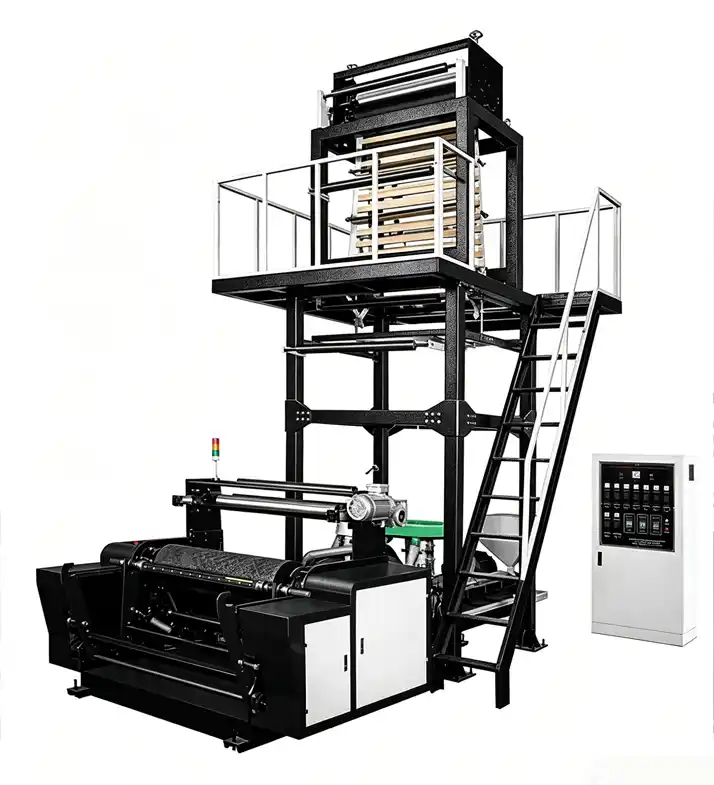
According to recent data from European Bioplastics, global production capacity for bioplastics is set to increase by more than 200% over the next five years. However, many producers face unexpected downtime when they simply run PBAT or PLA resins on old machinery. Why? Because these materials behave differently.
From our observations working with converters across Southeast Asia and Europe, the majority of operational failures stem from three specific areas:
1. The Melting Sensitivity Issue
Unlike LDPE, which has a wide processing window, PLA requires precise temperature control. A variance of just 5°C can lead to melt fracture or gel formation. Standard screw designs often lack the mixing section needed to homogenize the high-viscosity bio-resin, leading to inconsistent gauge control.
2. Hydrolysis Is the Silent Killer
One packaging plant manager in Germany recently shared a costly mistake: they left a hopper of PBAT open overnight in a humid environment. By morning, the molecular weight had degraded by nearly 15%. Bio-based materials are hydrophilic. If auxiliary drying equipment isn’t integrated properly, the final film will have bubbles and weak spots.
3. Haul-Off and Winding Tension
Bio-films are generally softer and have a higher coefficient of friction than conventional films. This often results in telescoping rolls or crushed cores if the winding system lacks servo-motor controlled tension adjustment.
To avoid these pitfalls, you don't need a magical solution. Instead, review these technical thresholds before your next trial run:
Screw Ratio (L/D): Does your current extruder have an L/D ratio of at least 30:1? Shorter screws don't provide enough residence time for complete melting.
Temperature Control Zones: Are you able to control 5-7 separate heating zones? Bio-resins require gradual temperature profiling from feed to die.
Die Design: The spiral mandrel geometry must be polished to a mirror finish (Ra < 0.025µm) to prevent material hang-up and degradation.
If your current equipment fails to meet two or more of these criteria, you are likely facing continued material waste and rejected batches.
A common mistake in the industry is focusing too heavily on the brand of resin pellets while neglecting the mechanical configuration of the extrusion system. For instance, using a single-screw extruder without a grooved feed section can drastically reduce output for PLA-based formulas, forcing operators to increase RPMs and shear the material to death.
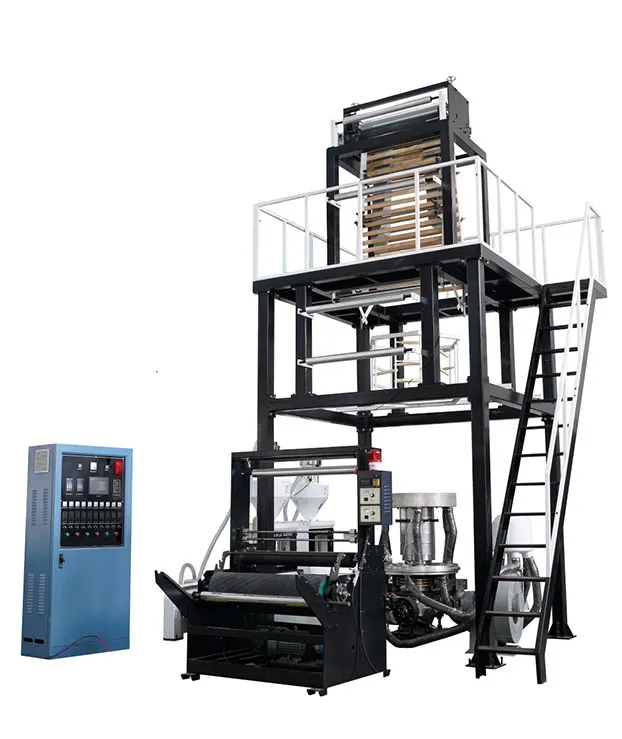
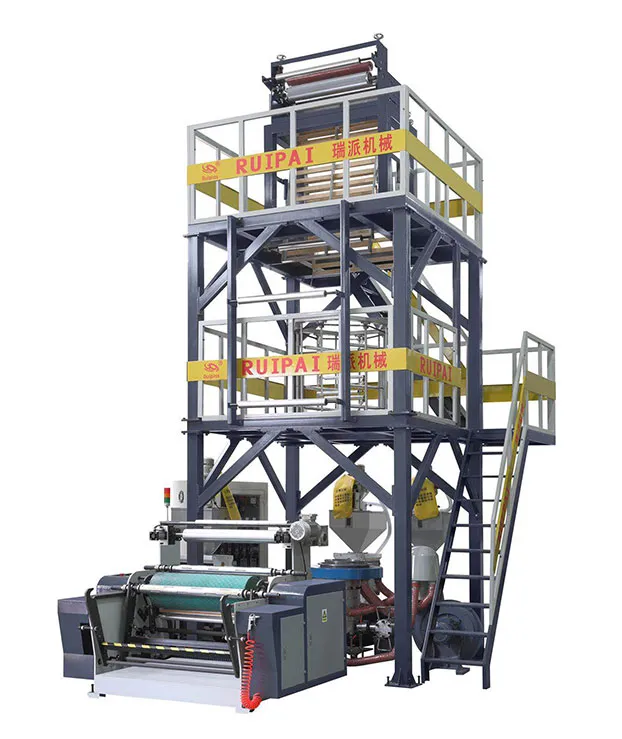
Conversely, a properly configured barrier screw paired with a grooved feed throat allows for low-temperature, low-shear extrusion. This preserves the molecular integrity of the bio-polymer, resulting in film with better tear strength and transparency. Specifically, for complex blends like PLA/PBAT, having an optimized Biodegradable Blown Film Machine is critical to balancing processability (from PBAT) with stiffness (from PLA).
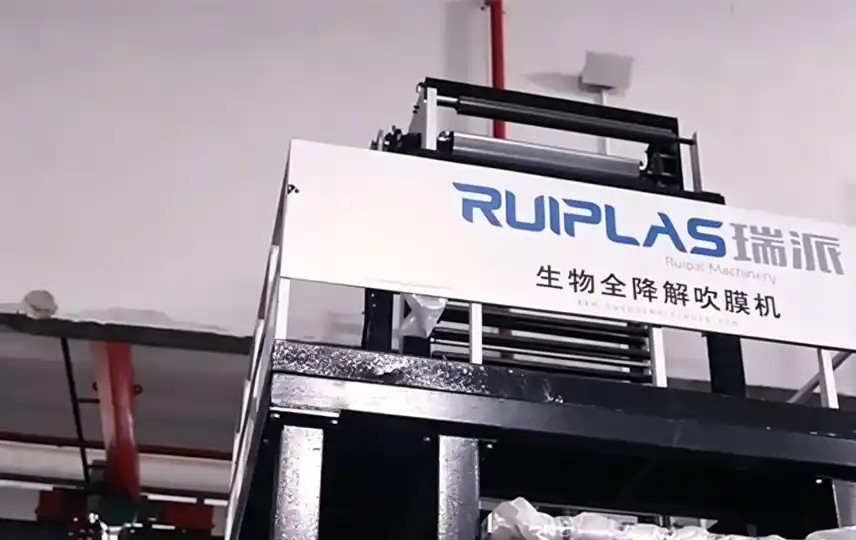
Looking ahead, regulations regarding oxo-degradable plastics are tightening in markets like the EU and UK. Investing in machinery designed for bio-compounds is not just an environmental tweak; it is a compliance necessity.
When evaluating upgrades or new configurations, look for systems that offer:
Auto-profile air rings to manage the softer bubble characteristics.
DC main motor with vector inverter to ensure constant torque across varying bio-resin batches.
Surface winding systems that minimize tension stress on the final layers.
The market trend is clear: standardization is moving towards customization for bio-materials. Manufacturers who master the mechanical nuances of PLA and PBAT today will capture the "green premium" market share tomorrow.
If you are planning to upgrade your production capacity or troubleshoot specific resin formulas, consider evaluating the engineering details of [RUIPAI] 's complete extrusion solutions tailored for compostable inputs. You can contact us to learn about the specific technical parameters and configuration options, as well as how it addresses the hydrolysis and winding issues mentioned above.
Transitioning your factory requires more than changing the raw material supplier; it requires harmonizing the screw, die, and cooling system. With the right mechanical foundation, the shift to green packaging becomes not just sustainable, but highly profitable.
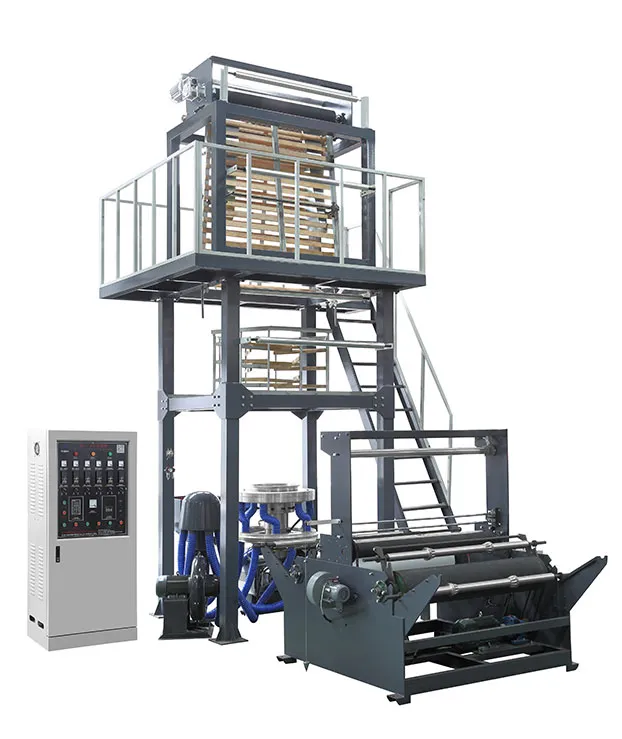
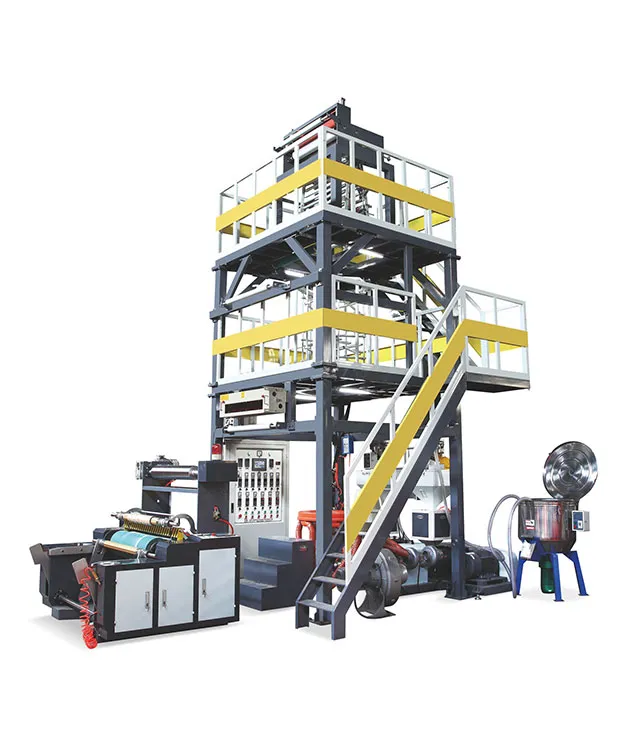
Environmentally friendly materials
Integrated production lines
Maximising your return on investment
GET A QUOTE


 English
 Español