You're producing film for food packaging, agricultural mulch, or industrial applications. The film's performance depends on the materials you use—and how you combine them. A Film Blown Machine with three-layer co-extrusion technology takes three different materials and combines them into a single film with properties that no single-layer film can achieve.
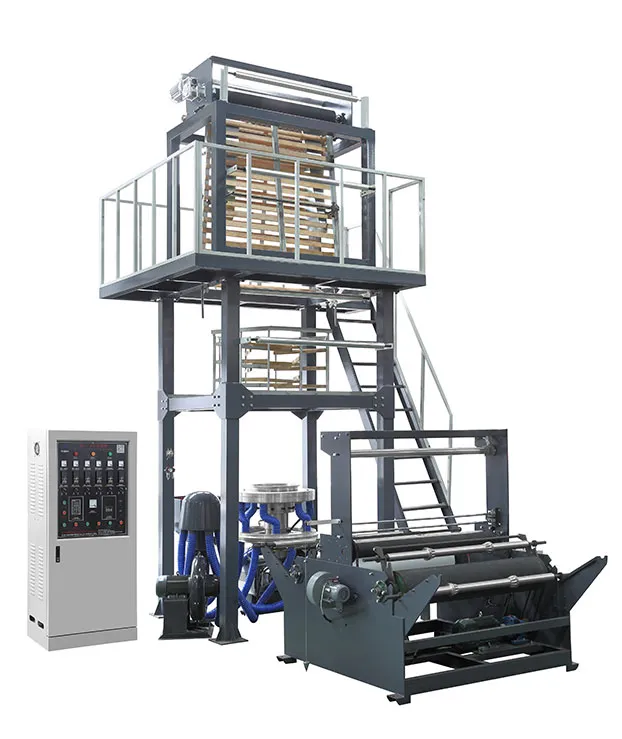
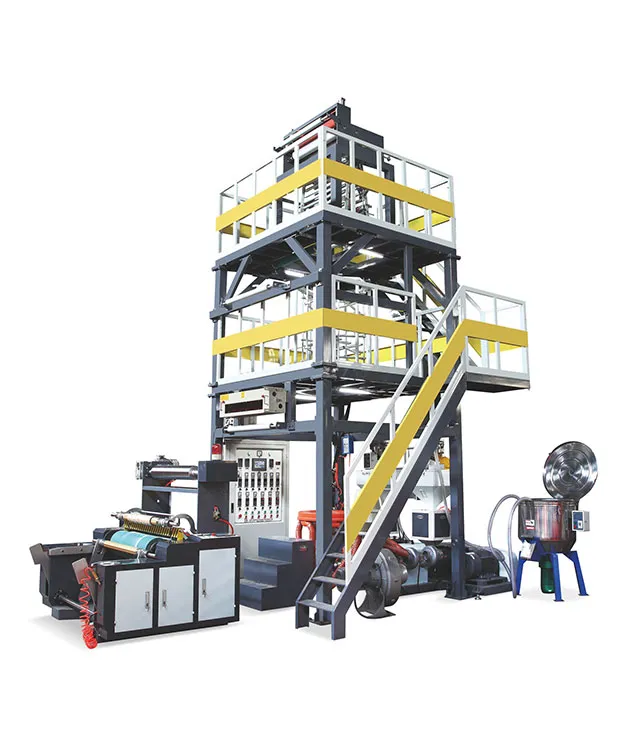
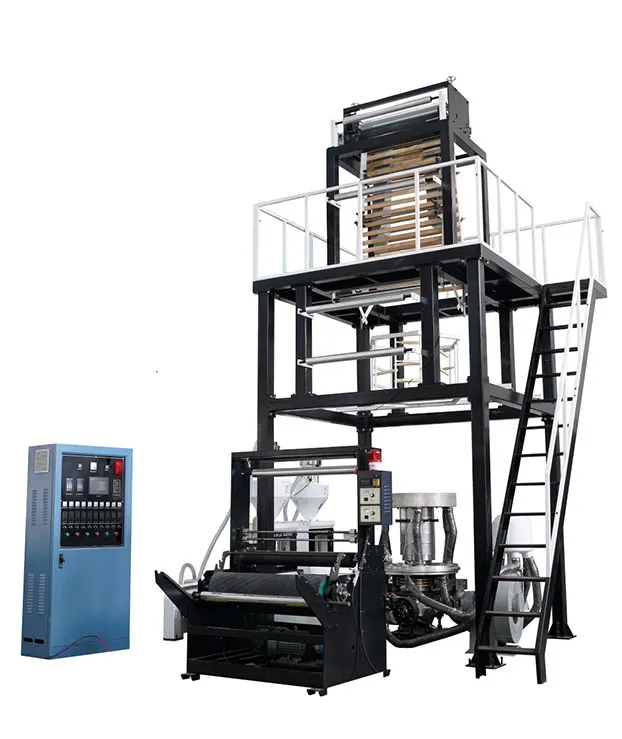
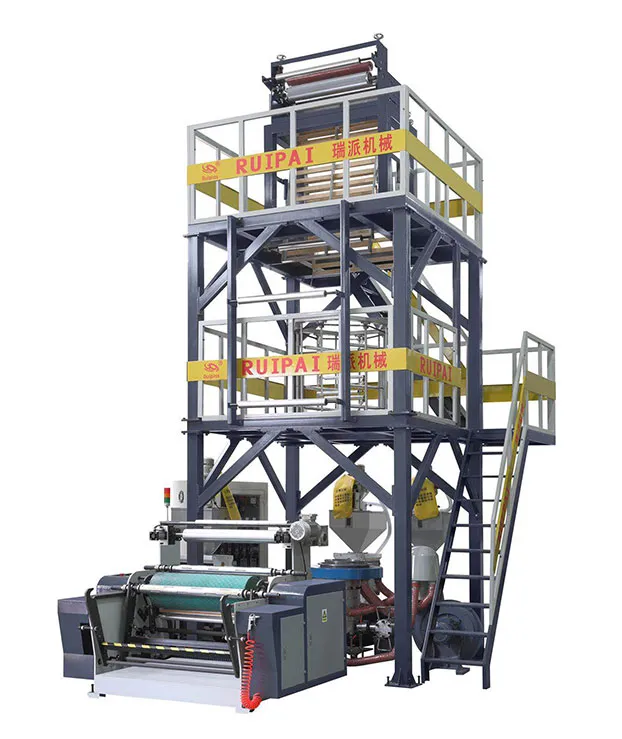
RUIPAI's ABC three-layer co-extrusion film blowing machine is designed for this purpose, producing symmetrical films for liquid packaging, shrink/stretch film, electrostatic protection film, waterproof film for ponds, heavy packaging film, construction film, and food packaging. This guide covers what a three-layer film blown machine does, the advantages over single-layer systems, and the applications where it delivers real value.
The power of three-layer co-extrusion is the ability to assign different properties to each layer.
An ABC three-layer film uses three distinct materials—one for each layer. The A layer (outer) typically provides mechanical strength, printability, and heat resistance. The B layer (core) delivers barrier properties—oxygen, moisture, or light protection. The C layer (inner) handles sealing and direct product contact. By combining three materials, you get properties that no single material can provide.
A single-layer film is a compromise. You choose one material that does an adequate job across all requirements—but it's never the best at any of them. A three-layer film gives you the best of each material: strength from one, barrier from another, sealability from a third. The result is a film that performs better across every metric.
The machine handles a range of polymers in compatible combinations. Common configurations include LDPE, LLDPE, HDPE, and specialty barrier resins. The three-layer co-extrusion process combines these materials at the die, creating a single film with distinct layers that remain bonded through the entire production process.
Three-layer films aren't just technically superior—they solve real packaging problems.
Films for liquid packaging need strength to hold weight, barrier to prevent leakage, and sealability to close securely. A three-layer film delivers all three. The outer layer provides the strength; the core layer provides the barrier; the inner layer provides the seal.
Shrink and stretch films need controlled shrinkage, high tear resistance, and consistent performance across temperatures. Three-layer co-extrusion allows precise control over each layer's contribution to the final film's properties.
Heavy packaging film and construction film require puncture resistance, UV stability, and mechanical strength. The three-layer approach distributes these requirements across the layers, creating a film that's tougher than any single-layer alternative.
.webp)
A three-layer film blown machine is not a one-size-fits-all solution. It's designed to be configured for your specific application.
Based on specific film types—food packaging film, industrial wrap, agricultural greenhouse film, ultra-thin cling film—the machine can be customized with different screw combinations, die designs, and cooling systems. This means the equipment is built for the film you actually produce, not a generic compromise.
The machine can be equipped with in-line printing, winding, laminating, in-line defect detection, slitting, and edge material recycling systems. These options allow you to build a complete production line around the core extrusion capability.
Key components are selected from top international brands such as SKF, FAG, and Siemens, ensuring long life and high reliability. The machine is designed for stability—a critical factor in film production where consistency is everything. RUIPAI's blown film machines have a service life of about 15 years, with the longest-lived machine successfully operating for 122,000 hours.
What is the difference between an ABC and an ABA three-layer film blown machine?
An ABC machine uses three different materials—one for each layer. An ABA machine uses the same material for the outer layers (A) and a different material for the core layer (B). ABC offers maximum flexibility in material selection; ABA is simpler and often used when the outer layers need the same properties.
What applications are three-layer films best suited for?
Three-layer films are used for liquid packaging, shrink/stretch film, electrostatic protection film, waterproof film for ponds, heavy packaging film, construction film, and food packaging. Any application that requires a combination of strength, barrier, and sealability is a candidate for three-layer co-extrusion.
How does three-layer co-extrusion improve film quality?
Three-layer co-extrusion improves the physical toughness of film through multi-layer co-extrusion. By combining materials with different properties, the film achieves performance characteristics that single-layer films can't match—better barrier, higher strength, improved sealability, and more consistent thickness.
For converters looking to produce high-performance multilayer films, the three-layer co-extrusion film blown machine offers a proven solution.
RUIPAI is a leading plastic machinery manufacturer specializing in blown film solutions. The company offers complete production lines that can be customized according to special needs. RUIPAI's ABC three-layer co-extrusion film blowing machine is designed for high-quality multilayer film production, with applications ranging from food packaging to industrial films.
RUIPAI provides comprehensive support: customized solutions based on application scenarios and special needs, installation and commissioning services, technician dispatch for operator training, and after-sales support. Strict quality control is in place throughout the entire process of design, procurement, manufacturing, assembly and testing, and equipment is subjected to rigorous no-load and load tests before leaving the factory. With advanced technology and intelligent control systems, RUIPAI's blown film machines ensure accuracy and stability throughout the production process.
A three-layer film blown machine is an investment in film quality and production capability. The right machine combines three materials into a single film with properties that single-layer systems can't achieve. Whether you're producing liquid packaging, shrink film, or heavy-duty industrial film, the three-layer approach delivers the performance that demanding applications require.
Ready to explore three-layer film blown technology for your operation? Reach out to RUIPAI's team—they can provide machine specifications, customization options, and application guidance based on your specific film requirements.
Environmentally friendly materials
Integrated production lines
Maximising your return on investment
GET A QUOTE


 English
 Español